Bondage & Restraints
Bondage & Restraints focuses on reliable immobilization with secure, adjustable holds engineered for comfort and control. Choose a bondage restraints set with adjustable cuffs and restraint straps, precise bdsm handcuffs, or a soft bondage rope kit to tailor firmness and fit. Our bed restraint system and quick-release hardware prioritize safe bondage gear for confident play, including beginner bondage kit options. These tools anchor the body—not sensation—and pair cleanly with blindfolds or paddles while remaining purpose-built for stability, durability, and easy cleanup.
Showing all 8 results
-
Original price was: $29.00.$26.00Current price is: $26.00.Select options This product has multiple variants. The options may be chosen on the product page
-
Price range: $25.00 through $30.00Select options This product has multiple variants. The options may be chosen on the product page
-
Price range: $49.00 through $51.00Select options This product has multiple variants. The options may be chosen on the product page
-
Price range: $27.00 through $94.00Select options This product has multiple variants. The options may be chosen on the product page
-
Price range: $68.00 through $92.00Select options This product has multiple variants. The options may be chosen on the product page
-
Original price was: $28.00.$25.00Current price is: $25.00.Select options This product has multiple variants. The options may be chosen on the product page
-
Original price was: $37.00.$34.00Current price is: $34.00.Select options This product has multiple variants. The options may be chosen on the product page
-
Original price was: $43.00.$42.00Current price is: $42.00.Select options This product has multiple variants. The options may be chosen on the product page
Showing all 8 results
Bondage & Restraints: Control, Positioning, and Secure Play
Bondage & Restraints are the core hardware of consensual immobilization. Unlike impact toys or sensory accessories, restraints are specifically designed to limit movement, fix a position, or create controlled resistance. Whether you’re exploring a spread-eagle setup on the bed or a simple wrist bind behind the back, the right restraint keeps you safely and comfortably where you intend to be.
In practical terms, restraints provide repeatable, predictable control. Quality cuffs, restraint straps, and systems distribute pressure to protect nerves and circulation while offering quick-release options when needed. Shopping this category is about fit, materials, hardware strength, and how each piece anchors to furniture or to other restraints—so you can build the exact configuration you want.
Restraint Styles and When to Use Them
Wrist and Ankle Cuffs
For most shoppers, cuffs are the first and most versatile purchase. Soft, adjustable cuffs use hook-and-loop (Velcro) for fast on/off and micro-adjustments. Leather and faux leather cuffs add durability, typically with buckle closures and multiple holes for size flexibility. Look for fixed or swiveling D-rings that connect to clips, chains, or restraint straps. Cuffs should be wide enough (1.75–3 inches) to distribute pressure across the limb.
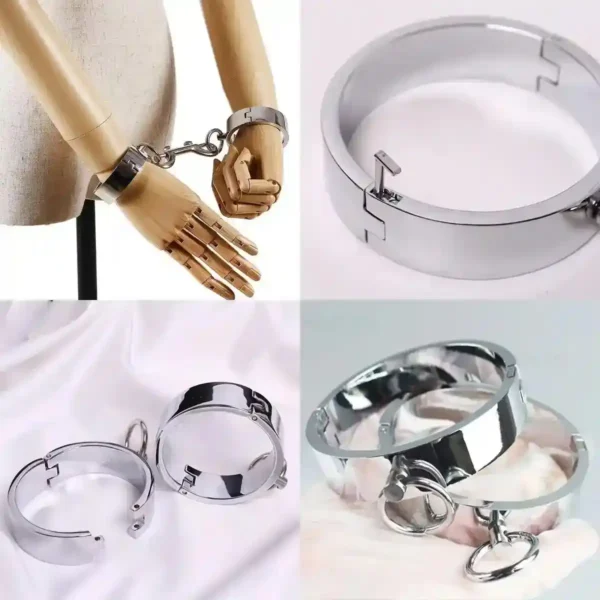
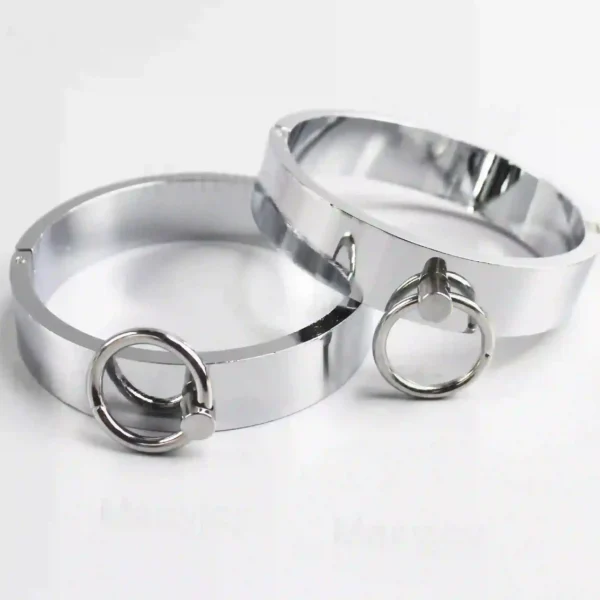
Metal bdsm handcuffs offer a distinct feel and look. Choose double-locking models to prevent over-tightening once they’re in place. Be mindful that metal concentrates pressure on a smaller area and is less forgiving than padded cuffs. If you like the aesthetic but want comfort, consider leather cuffs with lockable buckles—add a small padlock for the same controlled access without the sharp pressure of metal.
Restraint Straps and Bed Systems
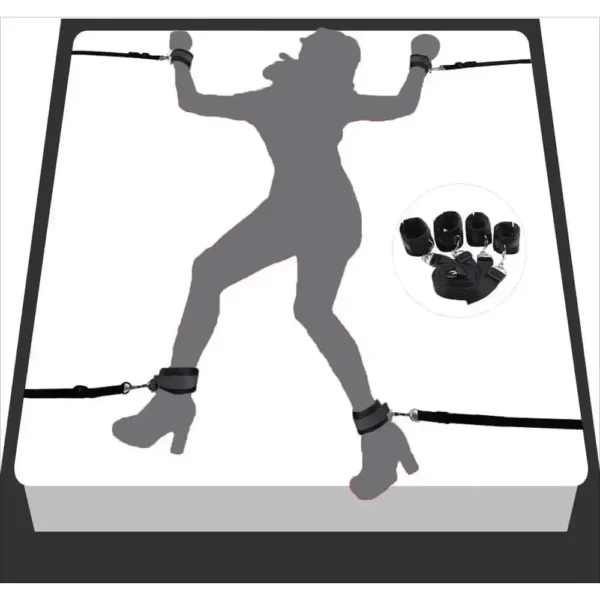
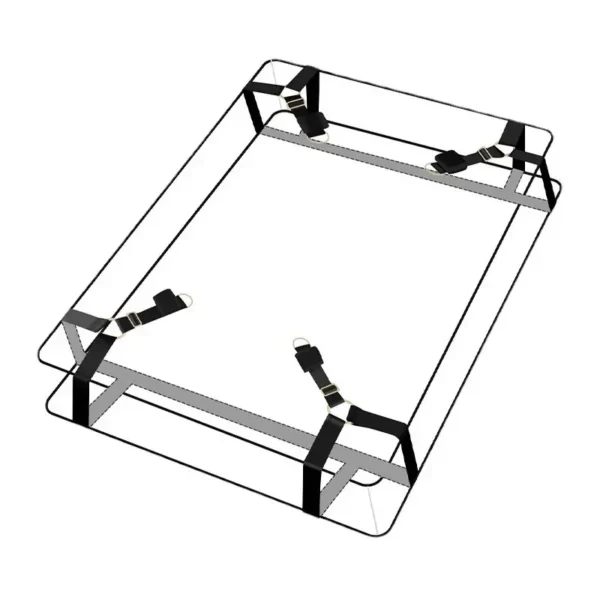
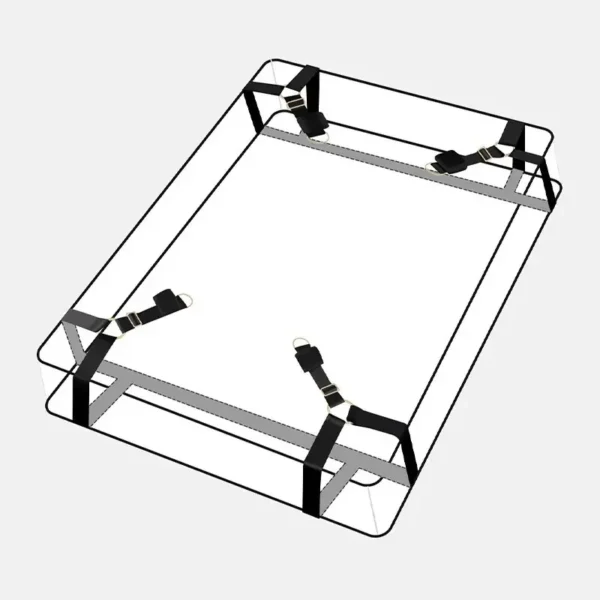
Flat nylon restraint straps connect cuffs to anchor points around furniture or the body. They’re low-profile, strong, and easy to position. A bed restraint system typically runs under the mattress with adjustable straps emerging at the sides or corners, allowing a spread-eagle position without permanent hardware. They’re popular because they fit most beds (Twin to King) and hide neatly when not in use.
Rope and Bondage Tape
A bondage rope kit lets you customize ties to the body and furniture. Common diameters are 6–8 mm (about 1/4–5/16 inch). Cotton is soft and forgiving, nylon slides easily for cinches and decorative knots, and jute/hemp provide grip and “bite” favored by rope enthusiasts. Look for kits that include safety shears and multiple lengths (e.g., 15 ft and 30 ft lines). Rope is the most flexible category but requires basic knot knowledge and safety awareness.
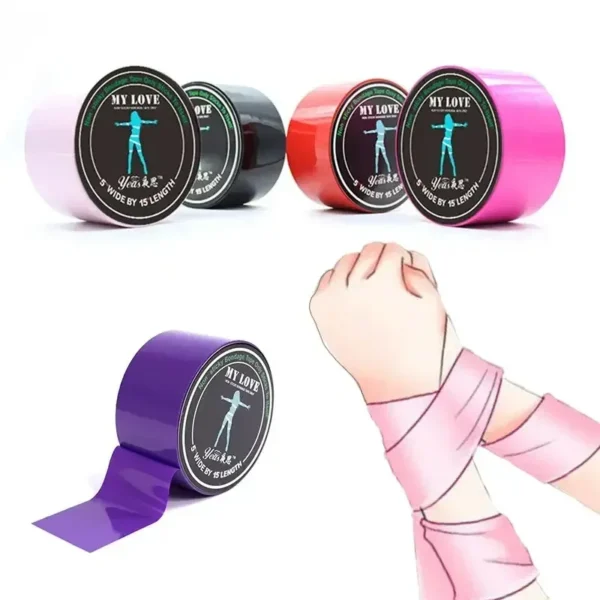
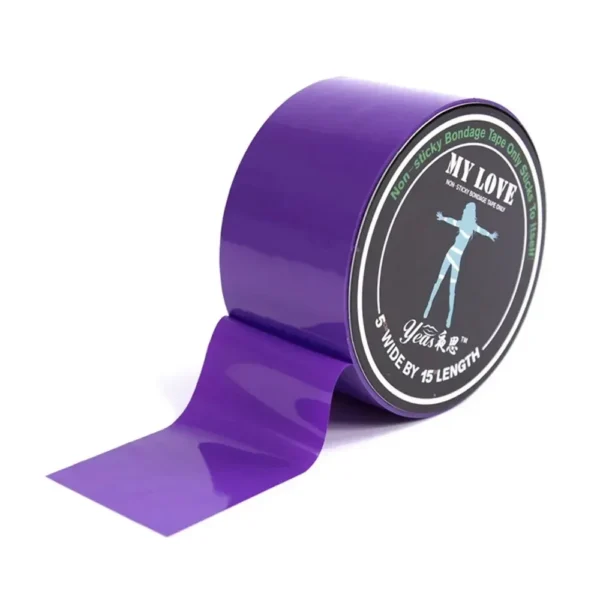
Bondage tape is PVC tape that sticks to itself, not skin or hair. It’s fast, reusable with care, and great for quick wrist/ankle binds or over-cuff containment. Because it doesn’t rely on adhesive, it’s a solid option for sensitive skin and for quiet, low-bulk restraint.
Spreader Bars and Hogtie Connectors
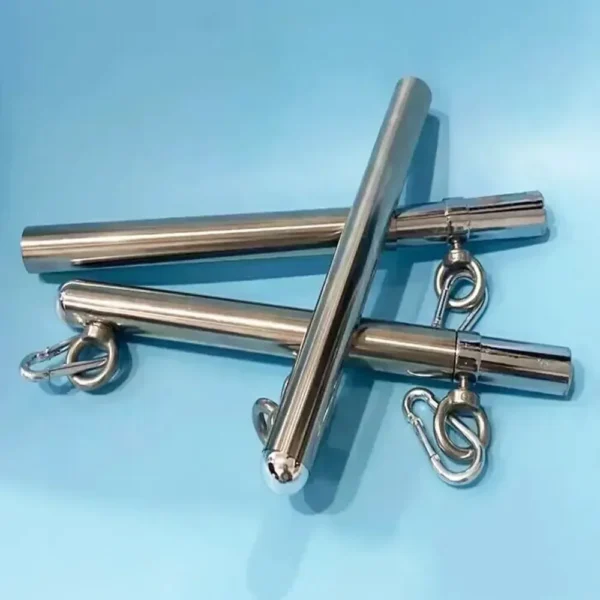
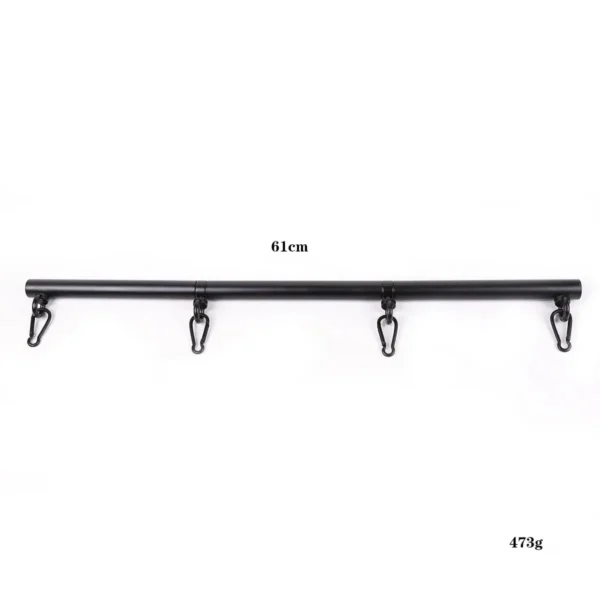
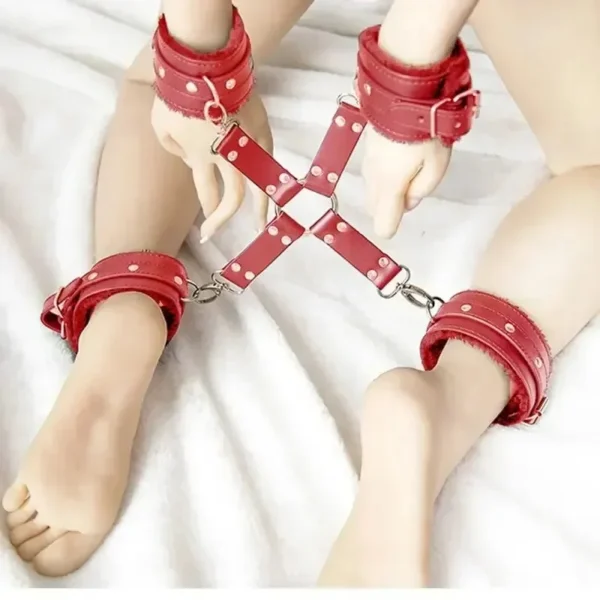
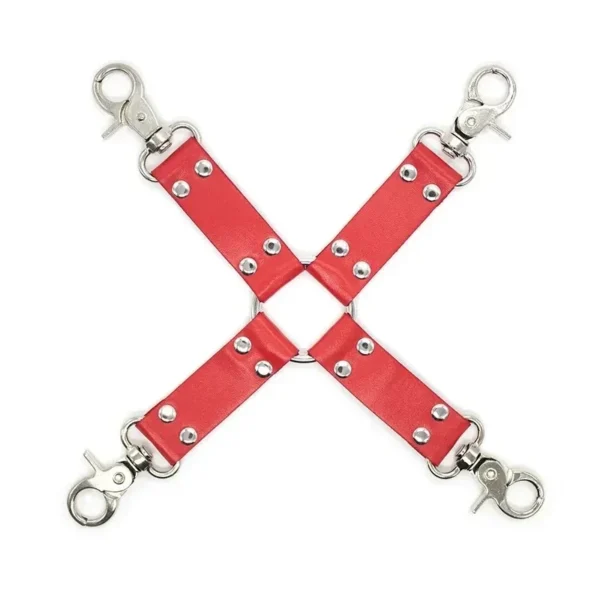
Spreader bars lock limbs at a set distance, ideal for maintaining a stance or preventing legs from closing. Adjustable bars let you fine-tune width, while fixed bars are sturdier at a set length. Hogtie connectors bring wrists and ankles together via a central ring or X-hub—use with cuffs for an efficient, compact bind.
Collars and Position Restraints
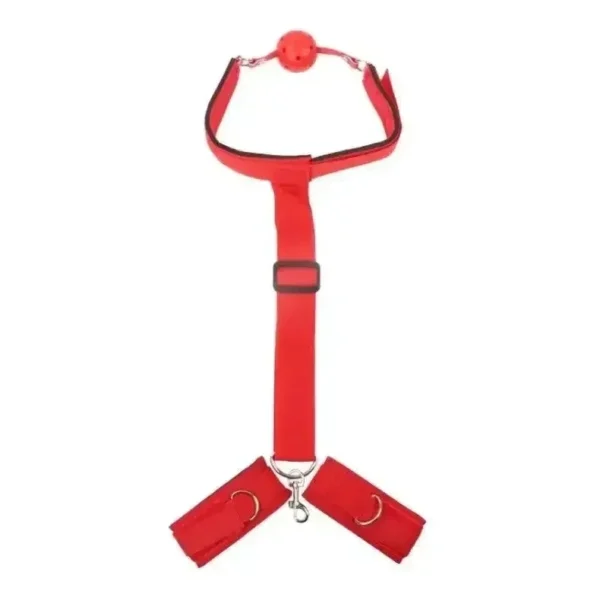
Collars are restraint anchor points for the torso. They can connect to cuffs or chest harnesses to limit reach and posture. Choose padded styles with robust D-rings and avoid pulling on the neck; treat collars as anchor points, not load-bearing devices. When buying posture restraints, focus on adjustable hardware and wide, padded surfaces that manage pressure safely.
Materials and Hardware: How Quality Shows Up
Soft Surfaces: Leather, Faux Leather, and Neoprene
Leather excels in longevity and molds to the wearer over time; it’s a favorite for daily use. PU/faux leather offers the look with easier cleaning and lower cost. Neoprene and padded textiles are great for comfort-first setups, especially for a beginner bondage kit or long sessions.
- Comfort lining: Suede or padded foam reduces hotspots.
- Edge finishing: Rolled or bound edges protect skin from chafing.
- Stitching: Double-stitch or box-stitch where hardware meets straps for durability.
Webbing, Rope, and Tape
Nylon webbing is abrasion-resistant and strong under tension, ideal for under-mattress systems and tie-down straps. For rope, cotton is beginner-friendly, nylon is slick for decorative knots, and natural fibers (jute/hemp) offer texture and grip prized by riggers. Bondage tape should be thick enough to resist tearing yet flexible for layering.
- Rope diameter: 6–8 mm reduces pressure points; thinner rope requires more skill to stay safe.
- Finish: Heat-sealed ends on synthetic rope prevent fray; whipped ends on natural rope show craftsmanship.
Metals and Connection Points
Hardware quality is non-negotiable. Seek welded D-rings, solid rivets, and carabiners rated for their intended use (note: most consumer carabiners for restraints are not for climbing or suspension). If you have nickel sensitivity, look for nickel-free or stainless-steel components. Quick-release buckles and double-locking mechanisms are signs of safe bondage gear.
Fit, Sizing, and Compatibility
Measure wrists and ankles at their narrowest point and add about 0.5–1 inch for comfort. Cuffs should close snugly yet allow you to slip two fingers under the strap. Wider cuffs disperse load better and are recommended for longer scenes. For metal bdsm handcuffs, double-lock to fix the size in place.
When choosing a bondage restraints set for the bed, confirm strap length and compatibility with your mattress size and frame height. Under-mattress systems should offer enough slack for King beds (often 60–120 inches of total strap length) and adjustable sliders for a tight fit on smaller mattresses. If you plan to anchor to furniture, identify obvious tie points (slats, posts, or frame) and avoid anything sharp or unstable.
Safety Protocols Specific to Restraints
- Consent and communication: Agree on limits, a safe word, and a non-verbal signal if the mouth may be occupied later. Establish check-in intervals for longer holds.
- Circulation checks: Use the two-finger rule under cuffs. Watch for numbness, tingling, discoloration, or coldness—these are signs to loosen or reposition immediately.
- Nerve awareness: Avoid hard pressure over the ulnar nerve at the elbow and the radial nerve near the wrist bones. Softer, wider cuffs mitigate risk.
- Quick-release readiness: Keep safety shears within reach for rope or tape, and keep keys on your person when using locks. Never rely on a single key.
- Positioning: Avoid binds that put sustained strain on joints (e.g., extreme shoulder rotation). Use pillows or pads to support knees, hips, or lower back as needed.
- Anchors and load: Restraints are for controlled, low-impact immobilization—not for full-body suspension unless you have specialized gear and training.
- Never leave someone restrained unattended: Continuous supervision is mandatory, even for short durations.
Buying by Experience Level and Scenario
If You’re New to Restraints
A beginner bondage kit focused on restraints should include soft wrist and ankle cuffs, short connector straps, and possibly a simple under-bed anchor—without adding unrelated gear. Hook-and-loop cuffs are forgiving, quick to adjust, and easy to release. A compact bed restraint system is discreet and requires no installation.
Intermediate Setups
Upgrade to leather cuffs with lockable buckles, add an adjustable spreader bar for stance control, or a hogtie connector for compact binds. Expand with extra restraint straps to anchor to chair legs or bedposts. If knots interest you, choose a bondage rope kit with at least four 15–30 ft lengths and a pair of medical-grade safety shears.
Advanced Control and Customization
Experienced buyers may select specialized cuffs (e.g., posture or thigh cuffs), modular anchor systems with multiple attachment points, and premium natural-fiber rope tailored to preferred ties. Metal bdsm handcuffs with reliable double-locks can be incorporated for aesthetic or psychological effect—balancing them with padded gear when longer wear is planned.
Travel and Discreet Use
For portability, choose flat-packing restraint straps, foldable spreader bars, and bondage tape (quiet, lightweight, no adhesives). Soft cuffs with compact buckles pass as fitness accessories in luggage more easily than heavy metal cuffs.
Care, Cleaning, and Storage
Cleanliness and upkeep keep Bondage & Restraints safe and comfortable over the long haul. After each use, inspect stitching, rivets, and hardware for wear.
- Leather: Wipe with a slightly damp cloth, air dry, then condition with a leather balm. Avoid soaking. Store away from heat and sunlight.
- Faux leather and neoprene: Wash with mild soap and water; disinfect with a toy-safe spray. Pat dry and air out to prevent odor.
- Nylon straps: Hand-wash with mild detergent; avoid bleach. Hang dry. Check sliders and stitching regularly.
- Rope (cotton/nylon): Hand-wash in cool water inside a mesh bag; hang to dry. For natural fibers (jute/hemp), spot-clean sparingly and recondition with light oil if needed.
- Metal cuffs and hardware: Wipe with alcohol-based sanitizer; dry thoroughly to prevent corrosion. Lubricate moving parts lightly if recommended by the manufacturer.
- Bondage tape: Re-roll neatly and store away from heat. Replace if it tears easily or loses cohesion.
Smart Features and Specs to Compare
- Adjustability range: Cuff circumference and strap length determine fit across multiple body types and bed sizes.
- Connection style: D-rings with carabiners enable fast reconfiguration; fixed O-rings feel more streamlined.
- Padding and width: Thicker padding and wider cuffs increase comfort for long sessions.
- Lock-compatibility: Some cuffs accept padlocks for controlled access; confirm shackle size.
- Quick-release options: Hook-and-loop closures and side-release buckles save time and add security in the event of a hiccup.
- Noise profile: If discretion matters, opt for fabric straps and tape over jangly chains and metal connectors.
Quick Answers to Common Questions
How tight should cuffs be?
Snug but not constricting. You should fit two fingers between cuff and skin. Re-check after a few minutes; minor swelling can occur during stillness or excitement.
Are metal handcuffs safe for long wear?
They’re best for short, supervised scenes. Metal concentrates pressure and can pinch. For longer holds, use padded adjustable cuffs and reserve metal for brief effects or aesthetics.
What if my bed has no good anchor points?
Choose an under-mattress bed restraint system. It creates secure, adjustable anchor points at the corners without modifying furniture.
Do I need special training for rope?
Basic instruction helps. Start with simple single- and double-column ties, keep safety shears nearby, avoid joints and the neck, and monitor circulation. A bondage rope kit with guidance cards is ideal for learning.
How do I avoid marks?
Use wider cuffs, add soft sleeves, and avoid excessive tension. Limit time in a single position and adjust periodically to redistribute pressure.
What makes gear “safe” to buy?
Look for sturdy stitching, welded hardware, smooth edges, nickel-free metal if you’re sensitive, and clear instructions. “Safe bondage gear” also means the right fit and quick-release options—plus keeping keys and safety shears within reach.
Whether you’re picking your first bondage restraints set or upgrading to a fully modular setup, prioritize fit, materials, and fail-safes. Build from comfortable adjustable cuffs and dependable restraint straps, then expand into spreader bars or rope as your skills and interests grow. With thoughtful choices, Bondage & Restraints deliver secure positioning, reliable control, and a safer, more satisfying experience.