Whips, Paddles & Ticklers
Whips, Paddles & Ticklers deliver precise sensation and impact control for partners who communicate through touch. From a balanced bdsm whip or leather whip to an ergonomic spanking paddle and feather tickler, these impact play toys emphasize build quality, grip, and predictable response. Choose textures, weights, and lengths to fine-tune intensity, or explore a curated bdsm paddle set for consistent results. Each piece of dominance play gear is designed for reliable handling and clear feedback, supporting safe, repeatable scenes.
Showing all 2 results
-
Price range: $28.00 through $29.00Select options This product has multiple variants. The options may be chosen on the product page
-
Price range: $26.00 through $42.00Select options This product has multiple variants. The options may be chosen on the product page

Showing all 2 results
Whips, Paddles & Ticklers: An Expert Buying Guide for Impact and Sensation Play
Whips, Paddles & Ticklers are the backbone of impact and tease play, offering controlled strikes, deep thuds, sharp stings, and featherlight caresses. Unlike other BDSM accessories, these tools directly shape how intensity is delivered and perceived on the body. Whether you are choosing a first spanking paddle, upgrading to a leather whip, or adding a feather tickler for contrast, the right selection will influence control, comfort, noise level, and the kinds of marks or sensations you prefer.
This guide breaks down types, materials, safety, and buying considerations specific to impact play toys and tickling implements, so you can shop with confidence and build a collection of dominance play gear that fits your style, space, and experience level.
Choose Your Tool: Types of Whips, Paddles & Ticklers
Paddles
A spanking paddle delivers broad, flat contact that ranges from gentle taps to satisfying thuds. Common sizes span 10–16 inches in total length, with faces from 2–4 inches wide. Look for options with smooth surfaces for consistent impact, or textured faces for added bite.
- Leather paddles: Offer a mix of thud and sting; supple face distributes force well. Double-sided models may pair leather with faux fur for warm-ups.
- Wood paddles (maple, oak, bamboo): Heavier and thuddier; can produce deeper sensations and longer-lasting marks.
- Silicone paddles: Flexible with pronounced snap; easy to sanitize and ideal for wetter scenes.
- Design details: Perforations (holes) reduce air resistance and increase sting; spanked edges or quilted faces adjust bite; reinforced handles reduce vibration in the wrist.
Floggers (Multi-Tail Whips)
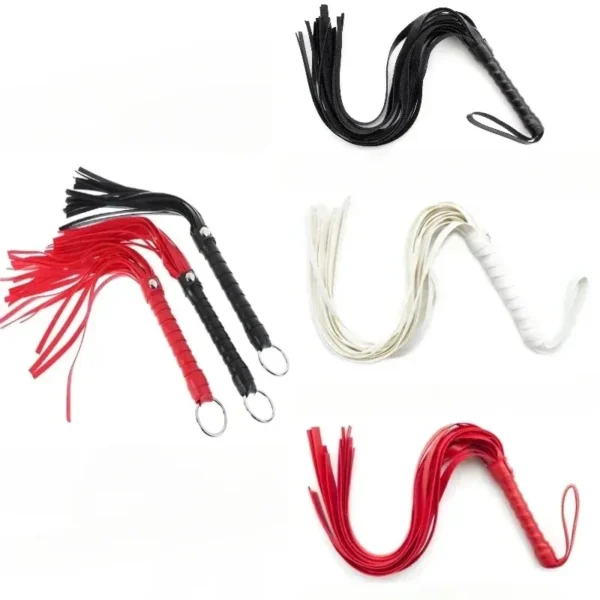
Floggers feature multiple falls (tails) attached to a handle, producing rhythmic, spreading impacts. They are versatile for warm-ups and steady patterns. Fall length commonly ranges from 12–26 inches.
- Deerskin or suede falls: Softer, great for beginners and warm-ups; pronounced thud with low sting.
- Latigo or heavy leather: Heavier tails for deeper thud; requires good control.
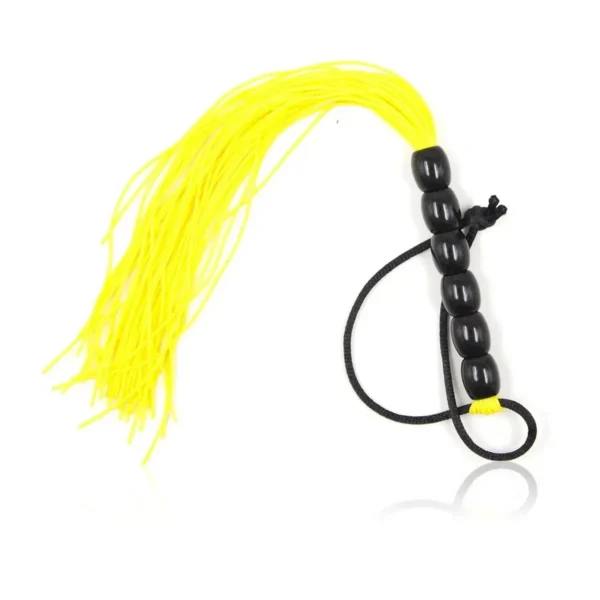
- Rubber or silicone floggers: Snappier, higher sting, and easy to clean; louder on impact.
- Balance and build: A well-balanced handle and even-cut falls help accuracy and consistency; a wrist loop adds security.
Riding Crops & Slappers
Compact and precise, crops deliver targeted stings. The flexible shaft stores energy for a crisp snap, and the small tip or slapper face focuses sensation.
- Best for: Precise targeting on the buttocks and thighs; sharper sting with minimal thud.
- Face styles: Loop slappers, heart or oval tips, and rubber ends each alter sound and feel.
- Length: Often 18–26 inches for accuracy in tight spaces.
Canes & Rods
Canes and rods concentrate force into a narrow line, creating distinct, lasting sensations that range from moderate to severe. Rattan canes are classic; synthetic rods (fiberglass or carbon fiber) deliver consistent flex and sting.
- Rattan: Flexible with natural texture; a staple for traditional caning.
- Delrin/fiberglass: Smooth, predictable flex; can deliver very sharp bite.
- Size: Commonly 24–36 inches; thicker canes are thuddier, thinner ones are stingier.
Single-Tail & Bullwhips
Single-tail whips and bullwhips are advanced tools that require training. They provide intense, highly targeted strikes with unmistakable crack and sting.
- Construction: A tapered thong leading to a fall and cracker; length can range from 3–8 feet or more.
- Use case: Precision training, experienced players, and outdoor or large indoor spaces.
- Note: Greater risk of wrap-around and unintended impact without proper technique.
Ticklers & Teasers
Ticklers introduce light, sensuous stimulation before, between, or after strikes. A feather tickler can amplify anticipation, soothe after stinging hits, or deliver playful torment during dominance play.
- Feather types: Ostrich and marabou plumes for soft, diffuse touch; faux feathers for easy care and ethical preference.
- Handle and length: 6–12 inch handles with flexible wands for reach around hips and thighs.
- Variations: Tickler feather toy pairs with a crop or paddle for contrast; some designs are double-ended (feather on one side, small slapper on the other).
Materials and Build Quality: How They Affect Feel, Care, and Longevity
Leather and Vegan Leather
Leather whip and paddle faces are prized for durability and nuanced sensation. Quality hides like latigo or cowhide provide consistent impact and age beautifully. Vegan leather (PU) is budget-friendly and offers a comparable feel with simpler maintenance. Check for tight stitching, smooth edges, and secure rivets.
Wood and Rattan
Wood paddles and rattan canes pack serious presence. Look for smooth finishes, sealed edges, and balanced weight. Hardwood paddles (maple, oak) feel solid and thuddy; bamboo offers a lighter option. Rattan should be straight with minimal fray; lightly oiled or varnished finishes increase longevity while preserving flex.
Silicone and Rubber
Silicone paddles and floggers are easy to clean and offer vivid snap. Medical-grade or platinum-cured silicone is ideal for durability and hygiene. Rubber floggers and slappers deliver pronounced sting and audible crack; inspect for even tails and secure cores to avoid shedding.
Feathers and Faux Plumes
Choose ostrich or marabou for a plush glide; faux plumes if you prefer vegan or low-maintenance options. Feather ticklers should have firmly set quills, a smooth ferrule, and a handle that feels balanced in hand. Avoid sparse plumes; density matters for a luxurious touch.
Hardware and Handles
Handles determine control. Look for knotted, braided, or textured grips, a secure core, and a wrist loop for heavier implements. Metal accents can add weight but may contain nickel; if you have sensitivities, verify nickel-free hardware. With bullwhips and floggers, balance at the grip improves accuracy and reduces fatigue.
Match the Tool to Your Experience, Space, and Sensation Goals
- Beginners: Start with a suede or deerskin flogger (12–18 inch falls) for forgiving thud, or a medium-size silicone or leather spanking paddle for predictable impact. Pair with a feather tickler to warm up the skin.
- Intermediate: Add a crop for precision and a rattan cane for linear sting. Explore a bdsm paddle set with different shapes and materials to learn how design changes sensation.
- Advanced: Consider single-tail or bullwhip work only after practicing technique—start on cushions to learn control and distance.
- Small spaces/apartments: Paddles and crops are easier to manage and quieter than long whips. Short-handle floggers with shorter falls reduce risk of hitting unintended areas.
- Sting vs. thud: Thin canes, crops, and perforated paddles increase sting. Thick leather, heavy wood, and wide flogger falls increase thud. Decide if you want sharper surface bite or deeper impact.
- Marks and noise: Crops and canes mark easily and can be loud. Suede floggers are quieter and less likely to bruise when used lightly. Feather ticklers are nearly silent and great for stealthy tease.
Technique and Safety Essentials for Impact and Tease Play
Safety for Whips, Paddles & Ticklers comes down to warm-up, placement, and control. Always communicate intensity levels and use a prearranged signal or safeword specific to impact and tickle play.
- Warm-up: Begin with light taps or gentle flogger swings to bring blood to the surface. Alternate with a feather tickler to heighten sensitivity.
- Strike zones: Favor fleshy areas such as the buttocks and upper thighs. Avoid the lower back (kidneys), spine, joints, tailbone, and back of the knees. With canes and whips, precise placement is essential.
- Angle and distance: Floggers should land with the tips of the falls, not the middle; avoid wrap-around. Crops and paddles should strike flat to distribute force. Practice your swing on a pillow for consistency.
- Progression: Increase intensity gradually. Use a feather tickler between harder hits to soften and reset the skin.
- Aftercare for impact: Soothe with cool compresses or arnica gel; moisturize leather-affected areas of the skin if dry. For tickled skin, a warm hand rub or soft cloth calms lingering sensitivity.
- Gear checks: Inspect stitching, falls, and tips before each session. Replace worn crackers on single-tails and retire damaged canes to prevent splintering.
Care, Cleaning, and Storage: Keep Your Gear Scene-Ready
- Leather: Wipe with a slightly damp cloth, let air-dry, then condition sparingly with a leather balm. Avoid soaking or harsh chemicals. Store paddles flat and hang floggers by the handle to prevent kinks.
- Vegan leather/PU: Clean with a mild soap solution and soft cloth; dry fully before storage. Avoid high heat and direct sunlight to prevent cracking.
- Wood: Spot-clean with a damp cloth; never soak. If the finish wears, consider refinishing to keep surfaces smooth.
- Silicone and rubber: Wash with warm water and mild soap; a 70% isopropyl wipe can be used on nonporous surfaces. Dry completely to prevent dust cling.
- Feathers and faux plumes: Do not submerge. Gently shake out debris, spot-clean the quill if needed, and use a fabric-safe sanitizing spray on the handle or shaft only. Store in a dust-free container to preserve fluff.
- Hygiene and sharing: If sharing impact play toys that contact bare skin, prefer nonporous materials or use barriers. Keep separate implements for different partners if you cannot fully sanitize the surface.
- Storage: Cool, dry location away from sunlight. Use hooks for floggers, flat drawers for paddles, and protective tubes for canes. Keep ticklers covered to prevent feather crush.
FAQs: Common Questions About Whips, Paddles & Ticklers
What’s the difference between sting and thud? Sting is sharp, surface-level bite felt immediately—typical of canes, crops, and perforated paddles. Thud is deeper, heavier pressure that spreads—common with suede floggers, thick leather, and wood paddles.
Will these tools leave marks or bruises? It depends on intensity, tool type, and individual skin. Canes and crops can stripe easily; paddles can cause redness or bruising, especially heavier wood. Floggers and feather ticklers are easier to keep mark-light when used gently. Always build intensity gradually and monitor skin response.
How loud are impact play toys? Crops and canes produce a distinct snap. Silicone and rubber can be loud on impact. Suede floggers are relatively quiet, and feather ticklers are near silent—useful when discretion matters.
Can I use a bdsm whip or cane on sensitive areas? Stick to fleshy zones like buttocks and upper thighs. Avoid the spine, kidneys, and joints. Genital impact requires advanced knowledge and extreme caution; most users stay with outer thigh and buttocks for safety.
What’s the benefit of a bdsm paddle set? A set lets you compare sizes, materials, and faces (smooth vs. textured) to learn how each alters thud and sting. It’s a practical way to dial in preferences and have options for warm-up, peak, and cooldown.
How do I practice control with a new leather whip or flogger? Start with slow swings toward a pillow, mark a target with tape, and practice consistent distances. Focus on letting the tool’s weight do the work. Master accuracy before increasing power.
Which tickler should I buy first? A mid-size ostrich or marabou feather tickler offers plush coverage and is easy to wield. Faux feather versions are lower maintenance. Pair your tickler feather toy with a light paddle or suede flogger to create contrasting sensations in one scene.
Are there allergy concerns? Some users are sensitive to certain dyes, adhesives, or metals (e.g., nickel hardware). Choose body-safe materials, look for nickel-free fittings, and consider silicone or unfinished wood with sealed surfaces if sensitivities are a concern.
With the right mix of Whips, Paddles & Ticklers, you can craft scenes that range from flirtatious tease to heavy thud or sharp sting, all with control and intention. Select quality materials, match tools to your space and skill, and care for them properly—your impact and sensation play will feel better and last longer.