Chastity Devices
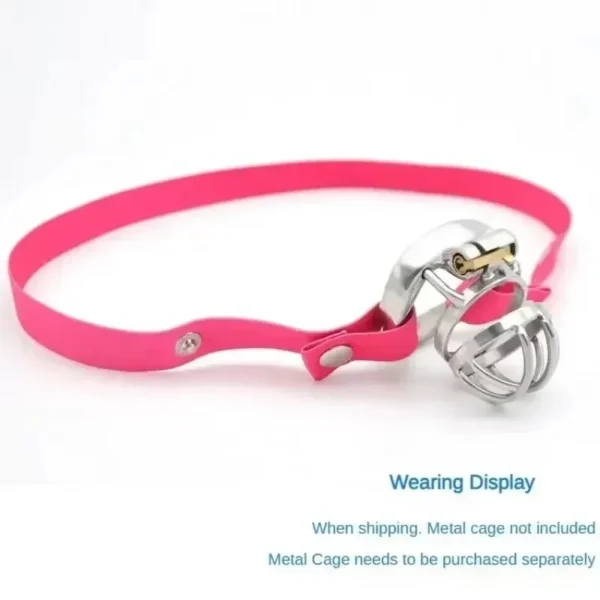
Chastity Devices focus on secure, lockable control and long-term wear for consensual denial and keyholder play. Choose a male chastity cage or penis chastity device crafted from body-safe silicone or precision metal chastity cage designs with ventilation, hygiene access, and dependable locking. Each lockable chastity cage serves as a reliable male control device and secure chastity cage for BDSM chastity play and power-exchange dynamics. Unlike penis pumps or vibrating cock rings, the goal is measured restriction, tamper-resistant security, and comfort over hours or days.
Showing all 4 results
-
Original price was: $28.00.$25.00Current price is: $25.00.Select options This product has multiple variants. The options may be chosen on the product page
-
Price range: $34.00 through $125.00Select options This product has multiple variants. The options may be chosen on the product page
-
Price range: $28.00 through $32.00Select options This product has multiple variants. The options may be chosen on the product page
-
Price range: $25.00 through $27.00Select options This product has multiple variants. The options may be chosen on the product page
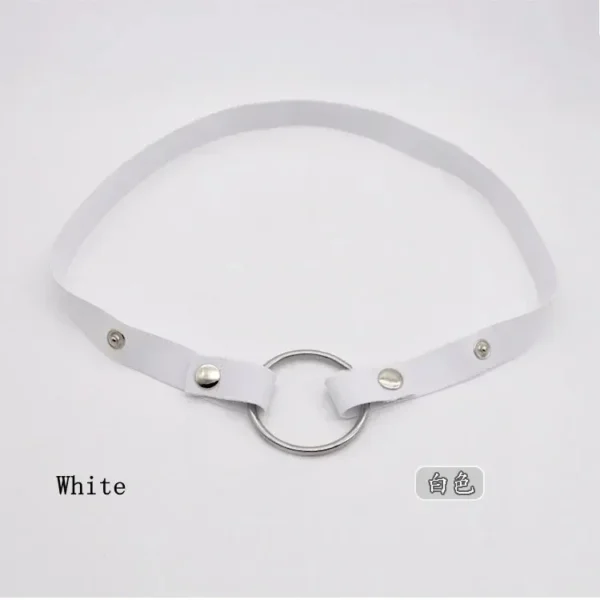
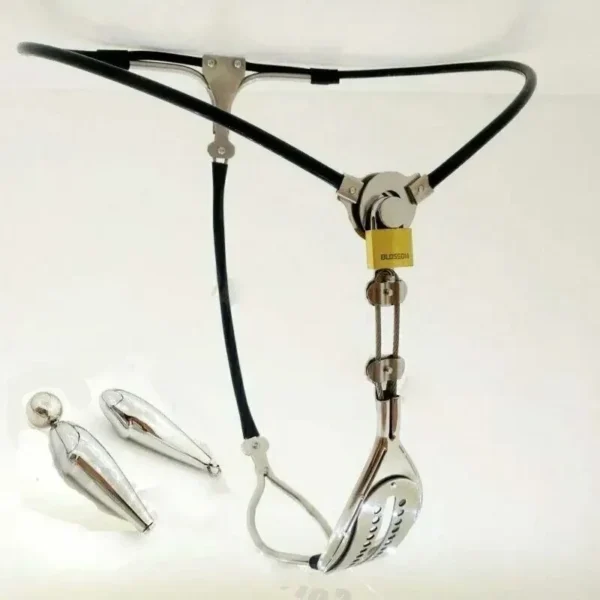
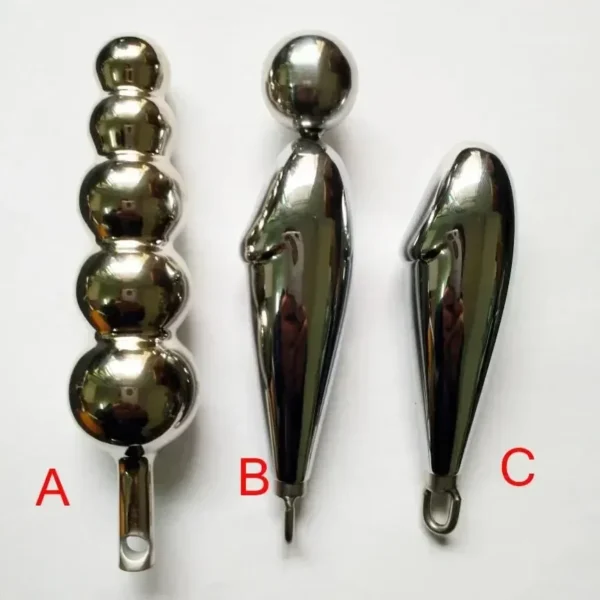
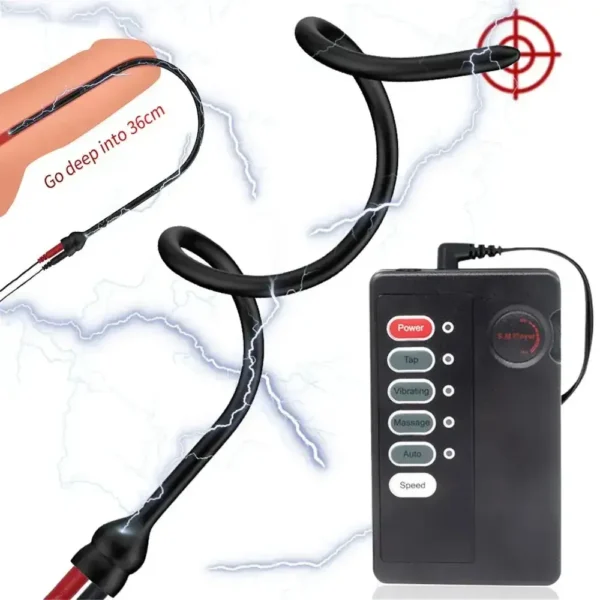

Showing all 4 results
Chastity Devices: What They Are and Why People Choose Them
Chastity Devices are purpose-built restraints that prevent erections and masturbation by enclosing the penis in a lockable enclosure. Unlike stimulators or enhancement tools, a penis chastity device is about control and denial—often for power exchange, behavior training, or consensual kink dynamics. Whether you’re exploring light tease-and-denial or establishing strict long-term rules, a secure chastity cage creates a clear boundary enforced by a lock and a keyholder.
Shoppers typically consider a male chastity cage for three reasons: discreet day-to-day wear, weekend or event scenes for BDSM chastity play, and longer-term lockups with a partner or remote keyholder. The right fit, material, and lock style will determine how comfortable, hygienic, and tamper-resistant your setup feels.
- Primary purpose: Control and denial, not stimulation or enlargement.
- Core feature: A lockable chastity cage or belt that blocks erections, touching, or penetration.
- Key consideration: Your anatomy and daily routine determine the optimal size, weight, and ventilation.
Types of Chastity Devices and How They Differ
Ball-Trap Cages (Most Common)
Ball-trap designs use a base ring behind the scrotum and around the penis, with a cage or tube that locks to the ring. This style balances security and comfort for many users and is widely available in various materials and sizes. Ball-trap devices are the standard “male control device” for entry-level and intermediate wearers.
- Open-bar cages: Rigid bars form a breathable cage. Easy to rinse and cool in hot weather. Common as a metal chastity cage.
- Closed tubes: Solid or semi-solid tubes offer visual discretion but can be warmer and need more attentive hygiene.
- Adjustable spacer systems: Change the gap between ring and cage to tune security and comfort.
Full Belts (Advanced and High-Security)
Full belts connect a waist belt to a front shield and a tube/cup, eliminating the typical “ball-trap” points of escape. They distribute weight across the waist for long-term wear but require precise sizing and a higher budget. Consider a full belt if you prioritize maximum security and you’re prepared for custom measurements.
Specialty Features
- Anti-pullout elements: Integrated spurs or textured internals discourage slipping out; advanced only and should be used cautiously.
- Urethral inserts: Optional tubes for extreme control. For experienced users only; requires sterile lubricant and strict hygiene.
- Lock styles: Visible padlocks for classic aesthetics or recessed integrated locks for stealth under clothing.
Finding Your Fit: Sizing for Comfort and Security
Correct sizing is the single most important step when shopping for Chastity Devices. A poorly sized lockable chastity cage can pinch, chafe, slip off, or become unsafe. Take measurements over several days, ideally when flaccid and at room temperature.
Base Ring Diameter
The base ring sits behind the scrotum and in front of the body. Internal ring sizes are commonly listed in inches (e.g., 1.75″, 2.0″, 2.25″). A snug fit supports the cage without cutting circulation. If you’re between sizes, most beginners choose the larger ring to start.
- How to measure: Use a soft tape or string just behind the testicles and around the base. Convert circumference to diameter (diameter ≈ circumference ÷ 3.14).
- Shape matters: Round rings are standard; oval or ergonomic rings can reduce pressure points for long wear.
Gap (Spacer) Adjustment
The gap is the space between the cage and the base ring. It must be tight enough to prevent withdrawals but loose enough to protect circulation and the scrotum’s delicate skin. Many ball-trap systems include multiple spacers to fine-tune this measurement.
Cage/Tube Length and Diameter
Measure your fully relaxed length. Most users pick a cage slightly shorter than flaccid length—often by 0.25″ to 0.5″—to reduce pressure from partial erections. The inner diameter should gently hug the shaft without squeezing. If you have a thicker shaft, look for wider tubes or open-bar designs that flex around girth changes during temperature shifts.
Foreskin and Anatomy Notes
- Uncircumcised users: Open-tip cages with adequate venting make cleaning and urination easier.
- High-riding testicles: Consider an oval ring or slightly larger ring to prevent slippage and pinching.
- Sensitive skin: Softer silicone rings can reduce irritation during the break-in period.
Materials and Build Quality
Material affects weight, airflow, hygiene, and skin compatibility. When comparing Chastity Devices, choose body-safe materials and smooth finishes that won’t catch hair or pinch skin.
- Stainless steel (316L preferred): Durable, secure, and heavier for a grounded feel. A polished finish minimizes hotspots. Check for nickel sensitivity; 316L is often well tolerated but monitor your skin.
- Titanium: Strong yet lighter than steel. Excellent for long-term wear, with premium pricing.
- Resin/Polycarbonate/Nylon: Lightweight, discreet, and often affordable. Ideal for beginners and travel. Look for high-grade, body-safe plastics that are free of BPA and phthalates.
- Silicone: Flexible and forgiving during sizing trials. Best for comfort and sleeping but offers less rigid security than metal or hard plastics.
Build quality signs include even welds on metal cages, burr-free edges, corrosion-resistant hardware, and consistent surface finishing. Vent holes and open bars aid cleaning and airflow. Anodized or coated finishes should be chip-resistant; chips can irritate skin.
Security, Locks, and Stealth Considerations
Security in a male chastity cage is a combination of fit, device design, and the lock. Balance your need for tamper-resistance with comfort and discretion.
- Padlocks: Classic and reliable. Brass or stainless padlocks are common; choose a small shackle to minimize rattling. Weight and visibility are higher.
- Integrated locks: Recessed cylinders reduce printing under clothing and prevent jingling. Great for office wear and stealth.
- Numbered plastic seals: Tamper-evident options for travel or remote keyholding. While not as physically strong, they show if a device was opened.
- Anti-tamper accessories: Security screws, shroud covers, or custom keys discourage casual access.
For daily stealth, look for a low-profile lock and a cage that sits close to the body. Open-bar metal designs may print less than bulky tubes. If you plan to fly, many users swap to plastic seals or remove the device before airport screening; metal can trigger detectors. Always prioritize safety and legality when traveling.
Everyday Wear: Comfort, Hygiene, and Practical Tips
Long-term success with a secure chastity cage depends on maintenance and smart routines. Build a daily care plan before committing to extended lockups.
- Hygiene: Open designs are easiest to rinse in the shower. Use mild soap and warm water on skin and device. For closed tubes, consider periodic removal for thorough cleaning. Dry completely to prevent odor.
- Urination: An open tip or aligned pee hole helps accuracy. Sitting to urinate can be cleaner with longer or closed tubes.
- Lubrication: A tiny amount of water-based lube at contact points (ring and underside) can reduce chafe. Avoid oil-based lubes with plastics and silicone-based lubes on silicone devices.
- Underwear: Supportive briefs minimize movement and pinching compared with loose boxers.
- Temperature and activity: Heat can cause swelling; allow time to cool and check fit after exercise or hot showers. Start with shorter wear periods and gradually extend.
Safety and Consent in BDSM Chastity Play
Chastity Devices are dominance chastity toys that should always be used consensually and safely. Establish a clear agreement with your keyholder and adopt an emergency plan.
- Watch circulation: Remove immediately if you feel numbness, severe pain, coldness, or blue/grey discoloration.
- Break-in period: Start with 1–3 hours, then a few evenings, before attempting overnight wear. Increase duration gradually.
- Emergency access: Keep a sealed spare key or agreed-upon release method for medical or urgent needs.
- Urethral attachments: Advanced users only. Use sterile lubricant, disinfect thoroughly, and discontinue if you notice burning or unusual discharge.
- Skin care: Inspect daily for hot spots. Rotate devices or ring sizes if irritation develops.
Chastity is a mental and physical practice. Communication, aftercare, and check-ins help ensure the experience remains positive for both wearer and keyholder.
Who Buys Chastity Devices and Common Scenarios
Users range from curious beginners to committed lifestyle practitioners. Couples often use a male control device to heighten anticipation and focus on partner-led pleasure. Solo users may lock during workdays for self-discipline or as part of a personal challenge. Long-distance partners rely on numbered seals and video check-ins for accountability.
- Weekend lockups: Lightweight resin cages with plastic seals are convenient for short-term play.
- Daily discreet wear: Integrated-lock cages with smooth finishes and good ventilation balance stealth and hygiene.
- Strict long-term control: Custom-fit metal chastity cages or full belts maximize tamper resistance and durability.
Buying Checklist: How to Compare Chastity Devices
- Fit kit availability: Some brands offer ring and spacer kits to dial in sizing before committing.
- Material quality: Look for 316L stainless, titanium, or certified body-safe plastics. Confirm smooth edges and consistent finish.
- Ventilation and cleaning: Open bars, drainage holes, and a removable design simplify hygiene.
- Lock options: Padlock vs integrated lock vs numbered seals—choose based on stealth and tamper-resistance needs.
- Adjustability: Multiple spacers and ring sizes extend usability as your body adapts.
- Weight and profile: Heavier metal feels secure; lightweight resin is better for active days and travel.
- Spare parts: Extra keys, seals, O-rings, or screws reduce downtime if something breaks.
- Return policy: Many intimate items aren’t returnable once opened. Verify sizing support before purchase.
Care, Storage, and Upgrades
Proper maintenance keeps your device safe and discreet. Rinse after workouts, pat dry, and consider a weekly deep clean with mild soap. Disinfect urethral accessories per manufacturer guidance. Periodically inspect locks and screws; a drop of non-staining lubricant can keep a metal lock working smoothly.
- Storage: Use a breathable pouch to prevent scratches on metal and to keep parts together.
- Deodorizing: Ensure complete drying; airflow prevents odor. Avoid harsh chemicals that may degrade plastics or finishes.
- Upgrades: Add different ring sizes, curved or ergonomic base rings, or switch between padlock and integrated lock hardware to refine your setup.
Final Tips for First-Time Buyers
Start with a well-reviewed ball-trap male chastity cage and a small assortment of rings and spacers. Prioritize hygiene features and a comfortable lock design for stealth. If you love the experience and crave more security, step up to a custom-fit metal chastity cage or a full belt. Above all, choose Chastity Devices that respect your anatomy, align with your goals for bdsm chastity play, and give your keyholder the confidence that the cage is truly secure.