Lubricants & Essentials
Lubricants & Essentials prioritizes body-safe glide and dependable protection. Choose pH-balanced water-based lube for everyday and toy-safe use, or silicone lube for long-lasting slip that won’t dry out. We feature rigorously tested condoms and formulas free from glycerin, parabens, and fragrances to reduce irritation. Clear labels, consistent textures, and leak-resistant packaging make selection and storage simple, so your intimate routine stays comfortable, clean, and reliable.
Showing all 2 results
-
Original price was: $28.00.$25.00Current price is: $25.00.Select options This product has multiple variants. The options may be chosen on the product page
-
Original price was: $26.00.$23.00Current price is: $23.00.Select options This product has multiple variants. The options may be chosen on the product page
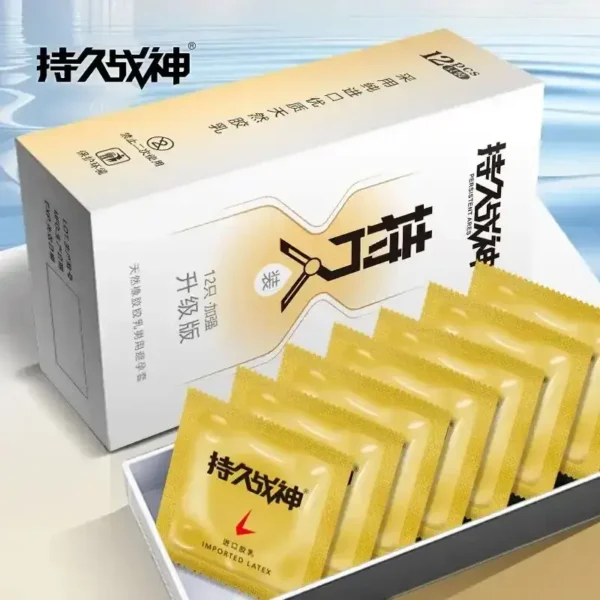
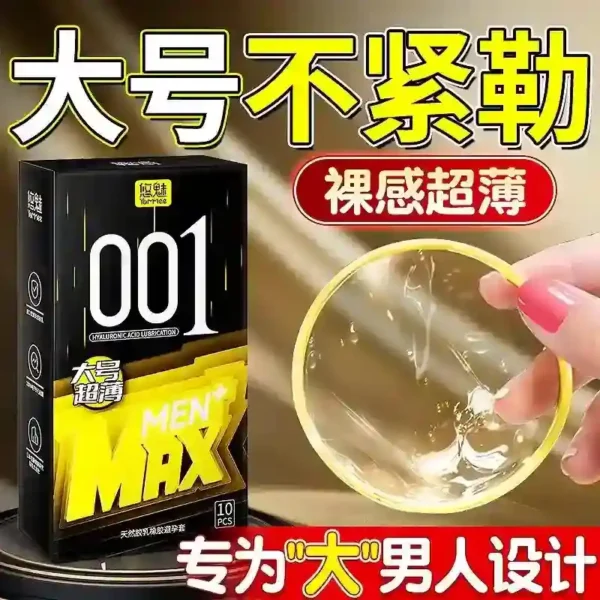

Showing all 2 results
Lubricants & Essentials: A Smart Buyer’s Guide for Comfort, Pleasure, and Protection
Lubricants & Essentials are the backbone of a comfortable, safe, and enjoyable intimate experience. The right personal lubricant reduces friction, protects delicate skin, supports condom performance, and can even help with issues like vaginal dryness or discomfort. The “essentials” that pair with lube—cleaners, wipes, applicators, and protective accessories—simplify use, improve hygiene, and help you get more from every bottle.
This guide breaks down how to choose the best formulas and supporting items for your body, your toys, and your routine. Whether you need a long-lasting silicone lube for water play, a pH-balanced option for daily moisture, or discreet travel packets, you’ll find the details here to make confident choices.
Personal Lubricant Types and What They’re Best For
Water-Based Lubes
Best for: Everyday use, condom compatibility, and most sex toys. Water-based formulas are versatile, easy to clean with soap and water, and generally “sheet-friendly.” Many are designed to be pH balanced for vaginal comfort and are available in glycerin-free and propylene glycol–free options for sensitive users. They can dry out sooner than silicone, but a splash of water often reactivates them.
- Pros: Toy-safe, latex-safe, non-staining, easy cleanup
- Cons: May require reapplication; some formulas can feel tacky as they dry
Silicone-Based Lubes
Best for: Long-lasting glide, anal play, and aquatic settings (showers, hot tubs). Silicone lubes are ultra-slick, highly durable, and water-resistant. They’re compatible with latex and polyurethane condoms, but are not recommended for most silicone sex toys because they can degrade soft silicone surfaces—always check the toy maker’s guidance.
- Pros: Superior longevity; ideal for extended sessions; water won’t wash it away
- Cons: Can be harder to wash off; may stain some fabrics; potential incompatibility with silicone toys
Hybrid Lubes (Water + Silicone)
Best for: A balance of slickness and easy cleanup. Hybrids combine the longevity of silicone with the simplicity of water-based. They’re typically condom-safe; toy compatibility varies, so verify if your specific toy materials allow hybrid formulations.
- Pros: Longer-lasting than water-based; smoother feel; easier cleanup than pure silicone
- Cons: Toy compatibility is formula-specific; may still mark fabrics
Oil-Based Lubes
Best for: Massage and external stimulation. Oil-based products (including coconut and other natural oils) offer rich slip and great skin feel. Do not use with latex or polyisoprene condoms—oils can weaken these materials and increase breakage risk. They may work with polyurethane condoms, but check labeling carefully.
- Pros: Luxurious glide; doubles as massage oil; long-lasting
- Cons: Not latex- or polyisoprene-safe; can stain fabric; harder to clean; not ideal for vaginal pH
Specialty Formulas
Specialty options within Lubricants & Essentials include warming or cooling lubes, flavored formulas for oral play, organic and natural lubes, and anal-specific lubes with thicker viscosities. Arousal gels often contain menthol or botanical extracts; patch test first to check sensitivity. Avoid heavy numbing agents for anal use—numbness can mask pain and increase the risk of injury.
Formula Quality: pH, Osmolality, and Ingredients That Matter
Choosing Lubricants & Essentials isn’t just about texture. The chemistry matters for comfort, safety, and skin health.
- pH-Balanced: Vaginal comfort is supported by a slightly acidic pH (around 3.8–4.5). Anal play benefits from a more neutral pH. Look for products labeled for the intended use.
- Osmolality: Overly “hyperosmolar” lubes can draw moisture out of tissues and increase irritation. If you’re sensitive, look for “iso-osmolar” or “low osmolality” claims, especially for frequent use.
- Glycerin and Propylene Glycol: These humectants add slipperiness but may bother some users prone to dryness or yeast imbalance. Glycerin-free and PG-free options are widely available.
- Parabens, Fragrance, and Essential Oils: Fragrance-free and paraben-free lubes reduce the chance of irritation. Essential oils can be sensitizing; use cautiously on mucous membranes.
- Botanical and Aloe-Based: Plant-forward lubes can feel soothing, but still review the full ingredient list for potential allergens.
- Vegan and Cruelty-Free: Many US brands now certify vegan formulas and avoid animal testing; look for clear labeling.
In the United States, personal lubricants are typically regulated by the FDA as Class II devices. Many water-based and silicone-based lubricants carry FDA 510(k) clearance for specific indications (such as use with condoms). While not every quality product lists a 510(k) number on packaging, FDA-cleared claims are a helpful sign of testing and safety review.
Compatibility: Condoms, Sex Toys, and Fabrics
Picking Lubricants & Essentials means thinking through all the surfaces involved—your body, barriers, toys, and sheets.
- Condoms: Use water-based or silicone-based lubes with latex and polyisoprene condoms. Avoid oil-based products. For polyurethane condoms, check the package—many are compatible with oils, but verify first.
- Sex Toys: Water-based lubes are generally the safest bet for all toy materials. Silicone lube can react with silicone toys; unless a manufacturer explicitly states compatibility, avoid silicone-on-silicone. Oil-based lubes can degrade some elastomers and are harder to clean from porous materials.
- Fabrics and Bedding: Water-based lubes usually wash out easily. Silicone and oils can stain—use washable throws or protective covers if this is a concern.
When in doubt, check both the lube’s label and the condom or toy manufacturer’s guidance. Ensuring compatibility can extend the life of your essentials and keep your sessions safe.
Essentials That Elevate Your Experience
Toy Cleaners and Aftercare Wipes
Hygiene is non-negotiable. Dedicated toy cleaners are formulated to clean without damaging materials, and alcohol-free wipes offer quick, gentle cleanup for both skin and devices. For porous toys, thorough cleaning is especially important. Avoid household cleaners that can be too harsh.
Applicators and Nozzles
Lube applicators (syringes without needles) and nozzles help place product exactly where it’s needed, especially for anal play. They reduce mess, conserve product, and are helpful for users with limited mobility. Look for body-safe materials and removable tips for proper cleaning.
Dispensing and Storage Accessories
Pumps, flip-top caps, and single-use travel packets make dosing predictable and discreet. For bedside convenience, a non-drip pump limits spills. Keep lube bottles in a cool, dry place; consider a small storage bag to contain leaks and protect your other essentials.
Protective Throws and Towels
If you prefer silicone or oil-based products, washable throws or dark towels prevent stains and simplify cleanup. This small addition can make experimenting with different formulas less stressful.
Match Your Lubricants & Essentials to Common Scenarios
- Everyday Vaginal Comfort or Menopause-Related Dryness: Choose a water-based, pH-balanced lube labeled for daily moisture; look for soothing ingredients like hyaluronic acid or aloe. Glycerin-free can help if you’re yeast-prone. Consider a moisturizer for longer-lasting hydration between activities.
- Anal Play: Opt for thicker lubes with strong staying power—silicone or high-viscosity water-based “anal” formulas. Never rely on numbing agents; add more lube instead and reapply as often as needed.
- Oral Play and Flavor: Use flavored water-based lubes that are sugar-free and designed for oral use. Confirm that the flavoring is compatible with your planned activities and barriers.
- Condom Use: Stick to water-based or silicone-based lubes. A drop inside the condom tip for comfort and an even layer outside can reduce friction and enhance sensation. Avoid oils with latex and polyisoprene.
- Sex Toys: Default to water-based lubes for universal compatibility. For silicone toys, only use silicone lube if the toy maker explicitly allows it.
- Shower or Pool: Choose silicone-based lube; water-based formulas rinse away quickly. Be mindful that hot tubs and oils can affect condom integrity—use approved barriers or skip barriers in water if not needed for your situation.
- Sensitive Skin: Look for unscented, hypoallergenic lubes free from glycerin, propylene glycol, and parabens. Consider products marketed for sensitive users, and patch test on the inner forearm.
Packaging, Sizes, and Value
Lubricants & Essentials come in bottles, tubes, pumps, and foil packets. Your routine will determine the best format and size.
- Size: Travel-friendly bottles (1–3.4 fl oz) meet TSA liquid limits for carry-ons. Larger bottles (8–16 fl oz) offer better cost per ounce for frequent users.
- Dispensing: Pumps allow one-handed use and reduce spills; flip-tops are compact; packets are discreet and hygienic for one-time use.
- Leak Prevention: Look for secure caps and seals, especially if you store lube in a nightstand or bag. Keep packets or a small case handy for away-from-home use.
- Shelf Life: Check expiration dates. Water-based lubes typically have shorter shelf lives than silicone. Discard products that have separated, changed color, or smell off.
Safety, Standards, and What to Avoid
For US shoppers, look for clear labeling on condom compatibility, toy safety, and any FDA 510(k) clearance claims. International products may also show CE marking. Remember, lubricants are not contraceptives and do not prevent pregnancy or STIs on their own.
- Avoid oils with latex and polyisoprene condoms.
- Use caution with warming/cooling or arousal ingredients if you’re sensitive; start with a small amount and patch test.
- Skip heavy numbing agents for anal use; pain is an important safety signal.
- Read full ingredient lists if you have allergies or are managing recurrent irritation or infections.
- Consult a clinician if dryness is persistent or accompanied by pain, bleeding, or signs of infection.
How to Apply, Use, and Store Lubricants & Essentials
- Start small: Begin with a pea- to dime-sized amount. Add more as needed.
- Warm it up: Rub between clean fingers to reduce initial coolness. Some prefer warming dispensers.
- Apply strategically: For condoms, add a drop inside the tip and a thin layer outside. For toys, coat both the toy and the contact area. For anal use, apply generously and consider an applicator for precision.
- Reapply: If friction increases, add more lube rather than pushing through discomfort.
- Cleanup: Water-based lube rinses with water; silicone may require mild soap. Keep alcohol-free wipes or a damp towel nearby for quick touch-ups.
- Storage: Store at room temperature away from direct sunlight. Keep caps closed to prevent contamination and drying. Do not share applicators without sanitizing between users.
Choosing the right Lubricants & Essentials comes down to your body, your activities, and your environment. Prioritize compatibility, ingredient quality, and practical add-ons like cleaners and applicators. With the right combination, you’ll get smoother, safer, and more satisfying experiences—every time.